On Offer


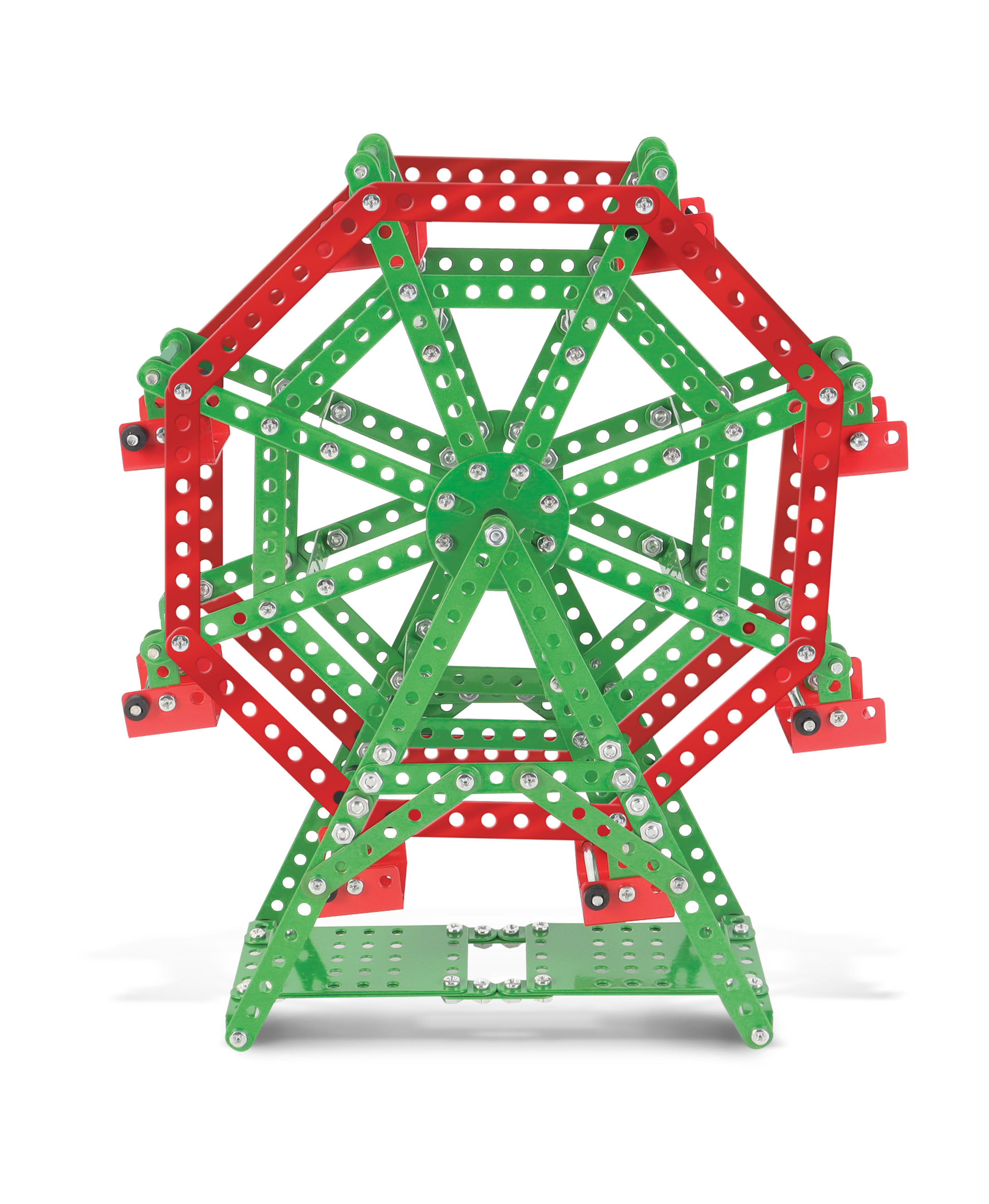
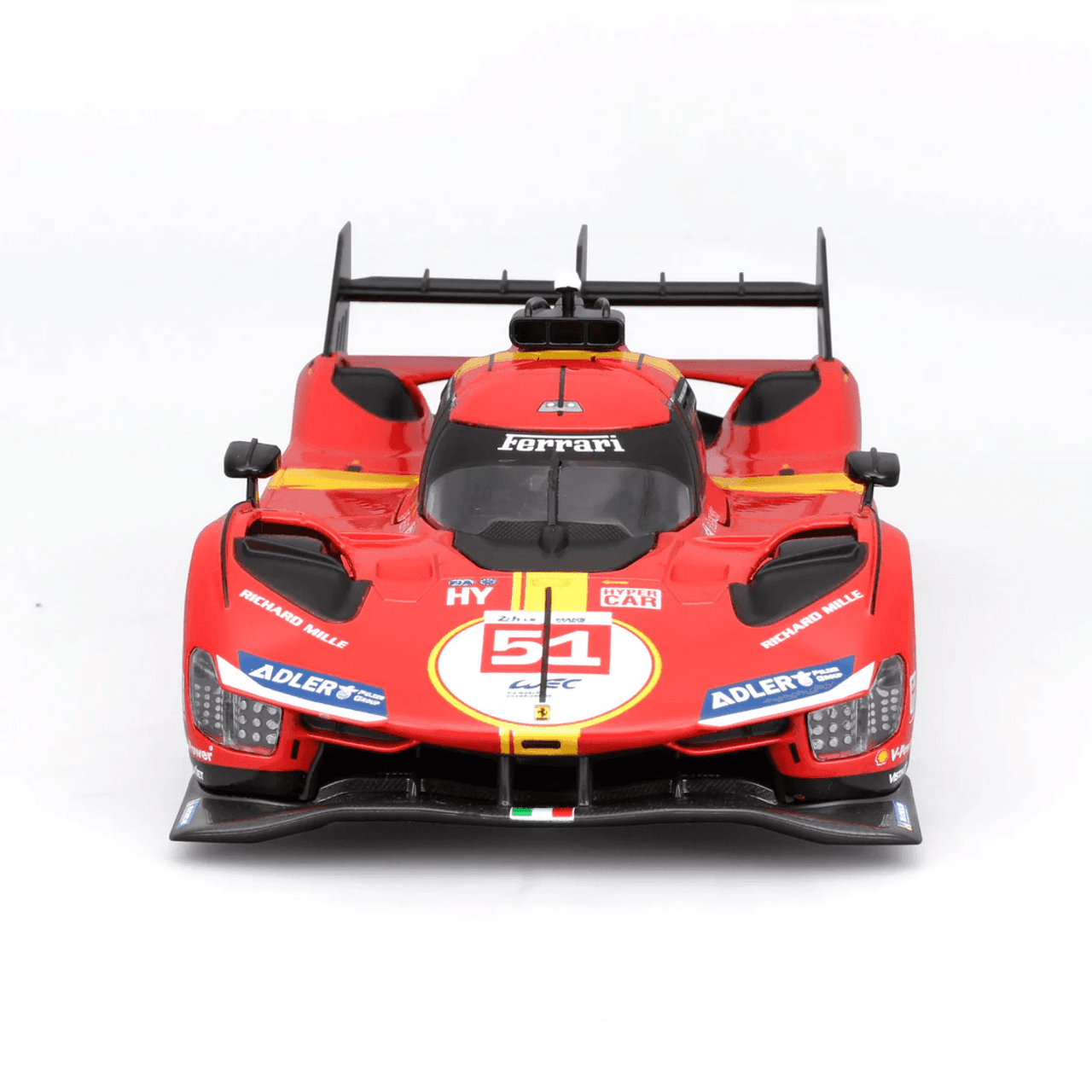
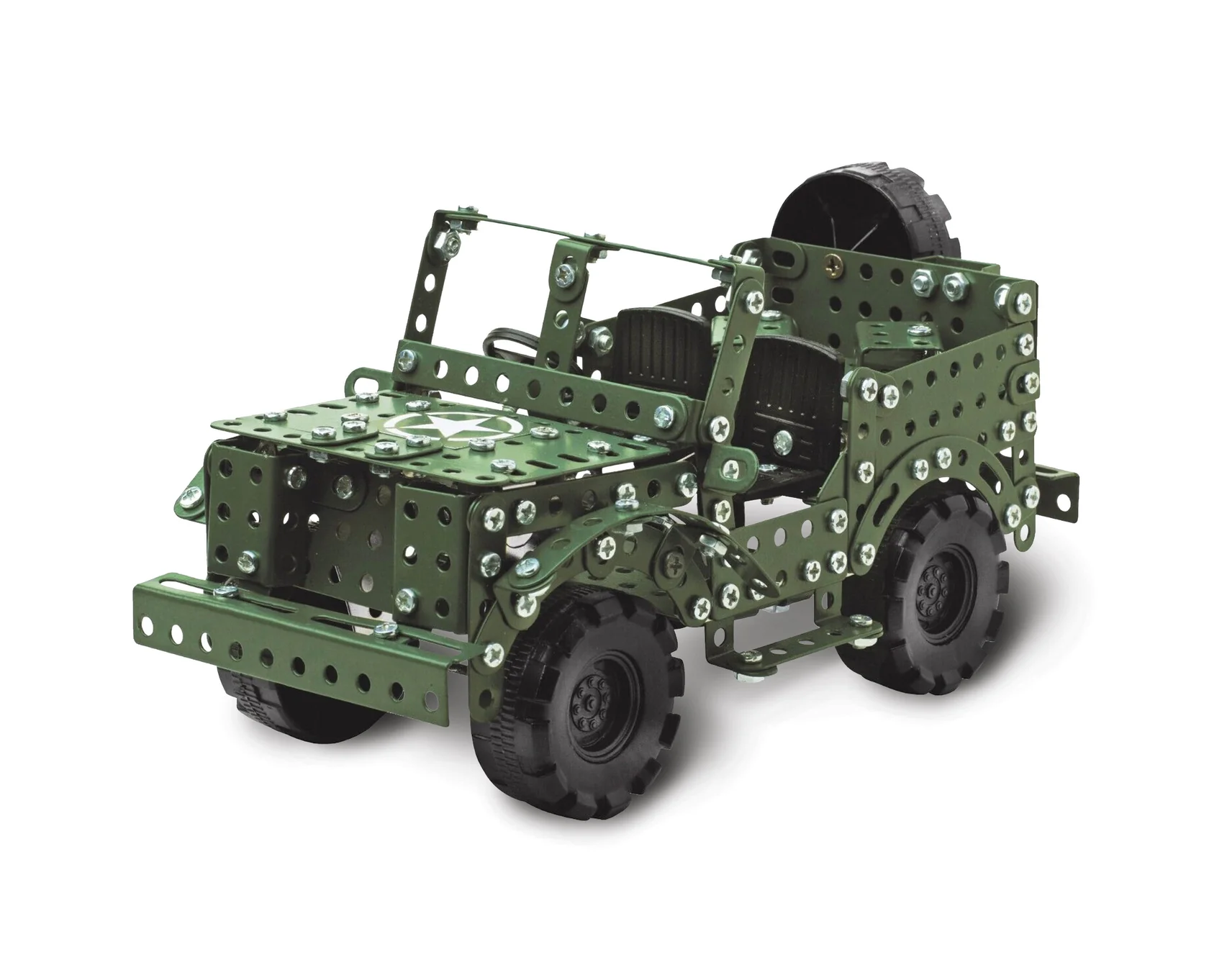
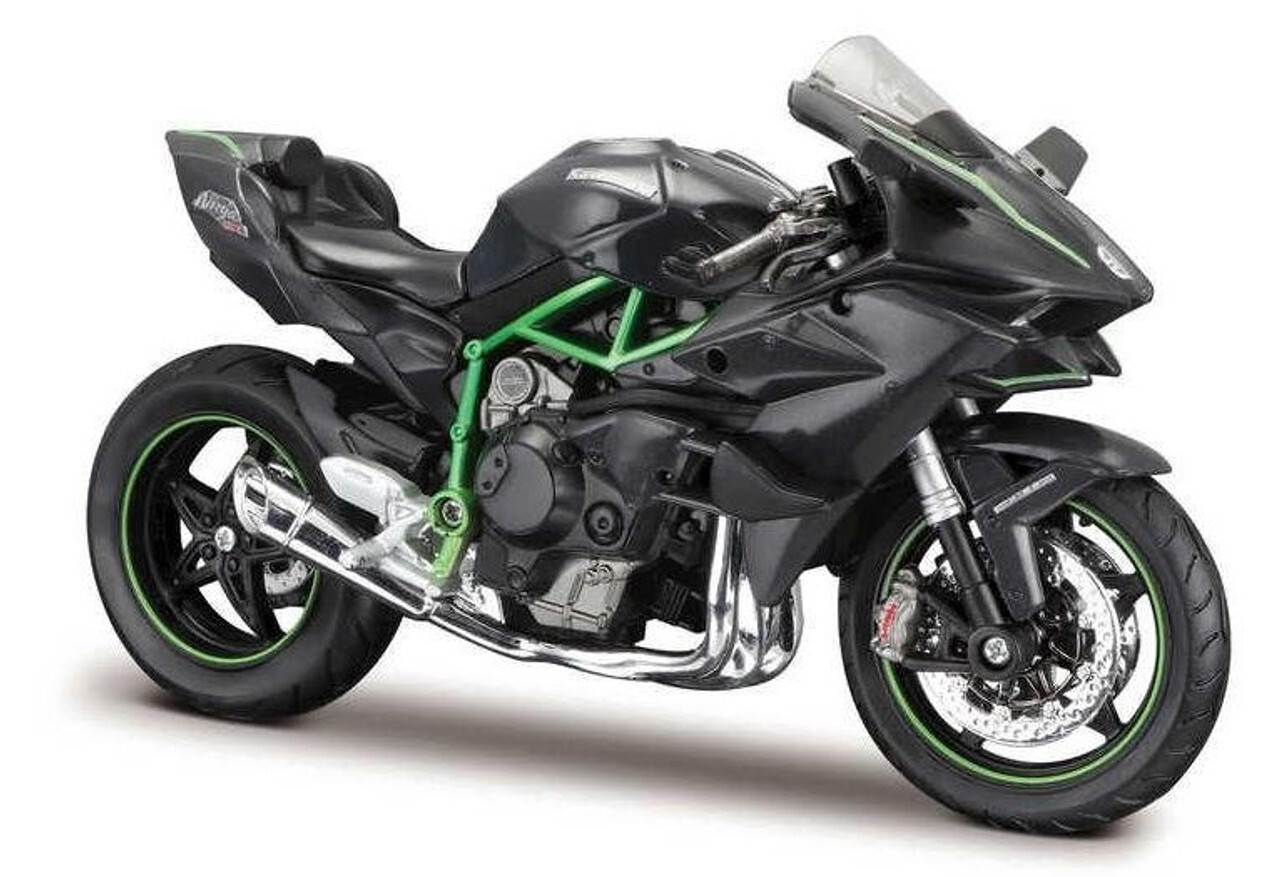
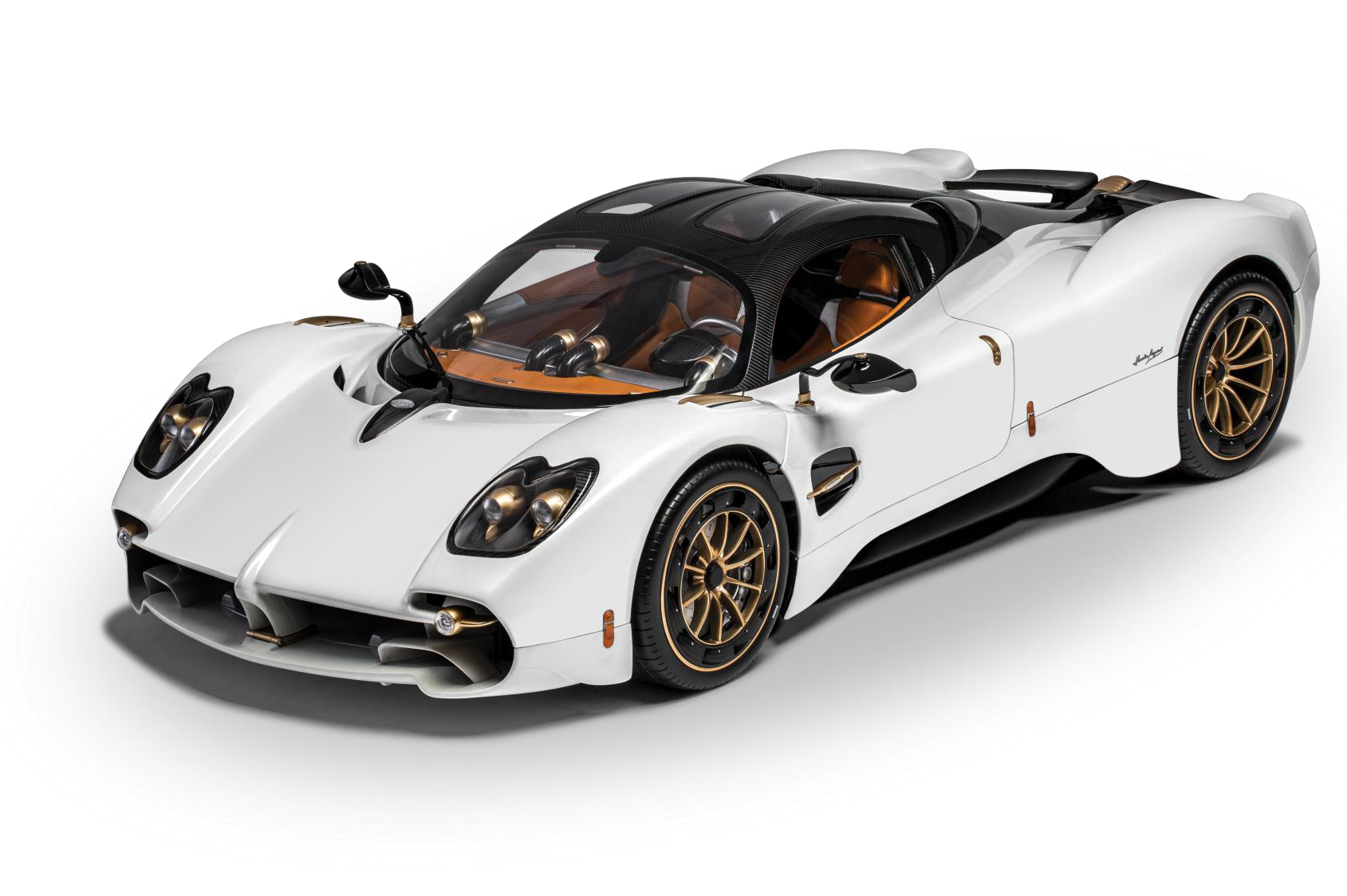
At Wonderland Models you can find an extensive range of metal model kits and mixed-media model kits from top brands such as Pocher, Coach House Partners, Burago, and Maisto.
Pocher produce some of the most highly-detailed model kits, made from pre-painted die-cast model and quality plastic parts.
The Coach House Partners range includes everything from starter sets perfect for beginners that help develop fine motor skills and problem-solving abilities in a fun and accessible way, to advanced builds that provide a challenging and rewarding experience.
Featuring easy-assembly and optional parts, the diecast metal model kits from Burago and Maisto are perfect for young car enthusiastic.
Order securely online or in-store with expert guidance from our experienced team. We also offer fast and reliable express shipping across the UK.
61 Products Found






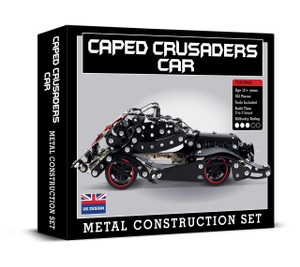
Yes, fine-nosed pliers and tweezers are essential for bending, folding and positioning the small etched or cast metal parts found in most metal kits. A precision cutter also helps when separating parts from their frets cleanly. Our Modelling Tools & Accessories range covers the tools most builders reach for on these kits.
Some metal kits, particularly detailed etched-metal parts, are traditionally soldered for a permanently strong joint, though many hobbyists now use cyanoacrylate (superglue) or epoxy adhesives instead for convenience. Check the kit’s instructions, as this varies by manufacturer and part type. Our Glue range includes adhesives suitable for metal-to-metal and metal-to-plastic joins.
Metal kits generally suit builders who already have some modelling experience, as the parts are finer and less forgiving of mistakes than moulded plastic. If you’re completely new to the hobby, it’s worth building a plastic kit or two first to get comfortable with tools and adhesives. Check each product listing for guidance on the level of experience expected.
Metal kits use cast or photo-etched metal parts rather than injection-moulded plastic, which typically means finer detail on small components like railings, hinges and fittings, but a fiddlier build. Plastic kits are generally quicker to assemble and more forgiving for beginners. Some kits combine both, using metal detail parts alongside a plastic or wooden main structure.
Most metal model kits are supplied unpainted and benefit from a primer coat before painting, as this helps paint adhere properly to bare metal. Our Primers and Model Paints & Varnishes ranges cover both stages. A metal-specific primer will give the best long-term finish.
Always work in a well-ventilated area, use a heatproof mat, and keep a damp sponge or stand for your soldering iron between uses. Adult supervision is essential if a younger modeller is helping with this stage. If you’d rather avoid soldering altogether, a suitable metal-bonding adhesive from our Glue range is a safer alternative for most joins.