

Live Steam Models
Live Steam Models
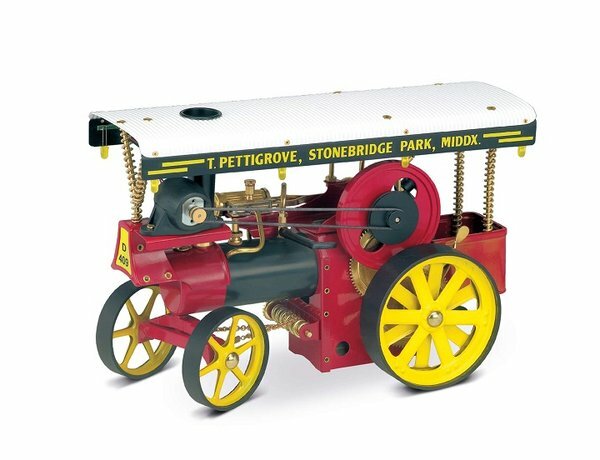
At Wonderland Models, we stock a wide range of live steam models, perfect for adult hobbyists and enthusiasts of mechanical engineering. Our collection features high-quality kits from the premium brand Wilesco, renowned for its superb engineering and attention to detail.
These live steam models include steam engines, steam traction engines, steam rollers, and static display engines, available both fully assembled and as build-it-yourself kits. Each model provides a hands-on experience that combines mechanical fascination with the rewarding challenge of assembly.
Shop securely online with fast UK delivery, or visit our store to explore the full range and receive expert advice from our knowledgeable team.
0 Products Found
There are no products listed under this category.
- Is a live steam model ready to run, or does it need assembling?
This varies by product: some live steam models arrive ready to run out of the box, while others are supplied as kits requiring careful assembly of the boiler, cylinders and running gear. The product listing will state clearly which applies, so check this before buying if you want to run your model straight away. Kit-built models reward patience with a genuinely hands-on engineering project.
- What fuel do live steam models use?
Most live steam models are fired using either meths (methylated spirit), gas, or solid fuel tablets, depending on the design of the boiler. The instructions specify the correct fuel type and quantity for safe operation. Never substitute an unapproved fuel, as this can affect both performance and safety.
- Do I need any special safety equipment to run a live steam model?
Yes, basic precautions include heatproof gloves, a stable running surface, and adult supervision at all times when steam is up. Always follow the manufacturer’s running instructions closely, particularly around boiler water levels and pressure. Running your model outdoors or in a well-ventilated space is strongly recommended.
- What skill level is required to build or operate a live steam model?
Live steam is generally considered a more advanced hobby than static plastic or diecast modelling, given the mechanical assembly and the responsibility of handling a working boiler safely. First-time steam modellers often start with a smaller, ready-to-run locomotive before progressing to a full kit build. Patience and a methodical approach matter more here than raw modelling experience.
- What’s the difference between a live steam model and a diecast or plastic model?
A live steam model is a genuinely working miniature engine, powered by a real boiler and moving parts, rather than a static display piece. This means ongoing maintenance, cleaning and careful storage are part of the ownership experience in a way they simply aren’t for a diecast or plastic kit. It’s a hobby built around function as much as appearance.
- Which types of vehicles come as live steam models?
Live steam ranges typically include miniature locomotives, traction engines and stationary engines, reflecting the hobby’s roots in early industrial machinery. Each has its own boiler design and running characteristics, so it’s worth reading the specification closely before choosing your first model. Locomotives remain the most popular entry point for newcomers to the hobby.
- How do I look after and store a live steam model?
Always drain the boiler fully after use, dry all moving parts, and store the model in a dry, dust-free space, ideally in a dedicated display case when not running. A light protective oil on exposed metalwork helps prevent corrosion between sessions. Regular checks of seals and fittings will keep a live steam model running safely for years.